How to Raise Guinea Keets: Brooder, Feed and Care Guide
Chesapeake HatcheryGuinea fowl are the farm's natural pest control. They're famous for eating ticks and insects and for sounding the alarm when anything unusual shows up. Baby guineas are called keets, and while they're hardy as adults, keets need a little extra care in their first weeks. Here's how to raise them.
Why raise guinea fowl?
- Tick and bug control: guineas forage all day for ticks, grasshoppers and other insects.
- Built-in alarm: they call loudly at hawks, snakes, strangers and anything new.
- Low maintenance as adults: once grown, guineas find much of their own food while they free-range.
Good to know: guineas are loud. If you have close neighbors, keep that in mind.
Setting up the brooder
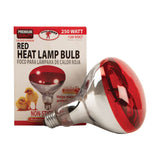
- Heat: start around 95°F the first week and lower it about 5°F each week until the keets are fully feathered, usually around 6 weeks.
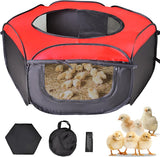
- Draft-free and covered: keets are tiny and can fly sooner than chicks. Use a brooder with a lid or tall sides.
- Bedding: paper towels for the first few days so they learn what food is, then pine shavings. Avoid slick surfaces like newspaper, which can cause leg problems.
Water: the most important tip
Keets can drown in a shallow waterer. Put clean marbles or pebbles in the water tray for the first couple of weeks so they can drink without getting soaked. Dip each keet's beak in the water when they arrive so they find it quickly.
What to feed guinea keets
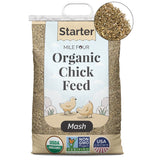
Keets need more protein than chicks. Feed a game bird or turkey starter, around 24 to 28% protein, for the first several weeks. You can step down to a lower-protein grower as they mature.
Moving keets outside
Once they're fully feathered and the weather is mild, move keets to a secure coop. Keep them shut in for a few weeks so they learn that the coop is home before you let them free-range. Many keepers raise keets with a few chicks, and the guineas learn to follow the chicks back to the coop at night.
Common questions
How many keets should I start with? Guineas are flock birds and do best in groups. Our minimum is 6 keets.
Can guineas live with chickens? Yes, many keepers raise them together. Give them plenty of space, since guineas can be bossy.
Ordering guinea keets
Pearl Guinea Keets are the classic dark gray guinea with white spots. Keets ship from another of our locations in a separate box from our baby chicks, shipped directly by USPS to your local post office for pickup during the ship week you choose. The minimum is 6 keets, and shipping is free on 13 or more. Every order is backed by our 72-hour live arrival guarantee.